


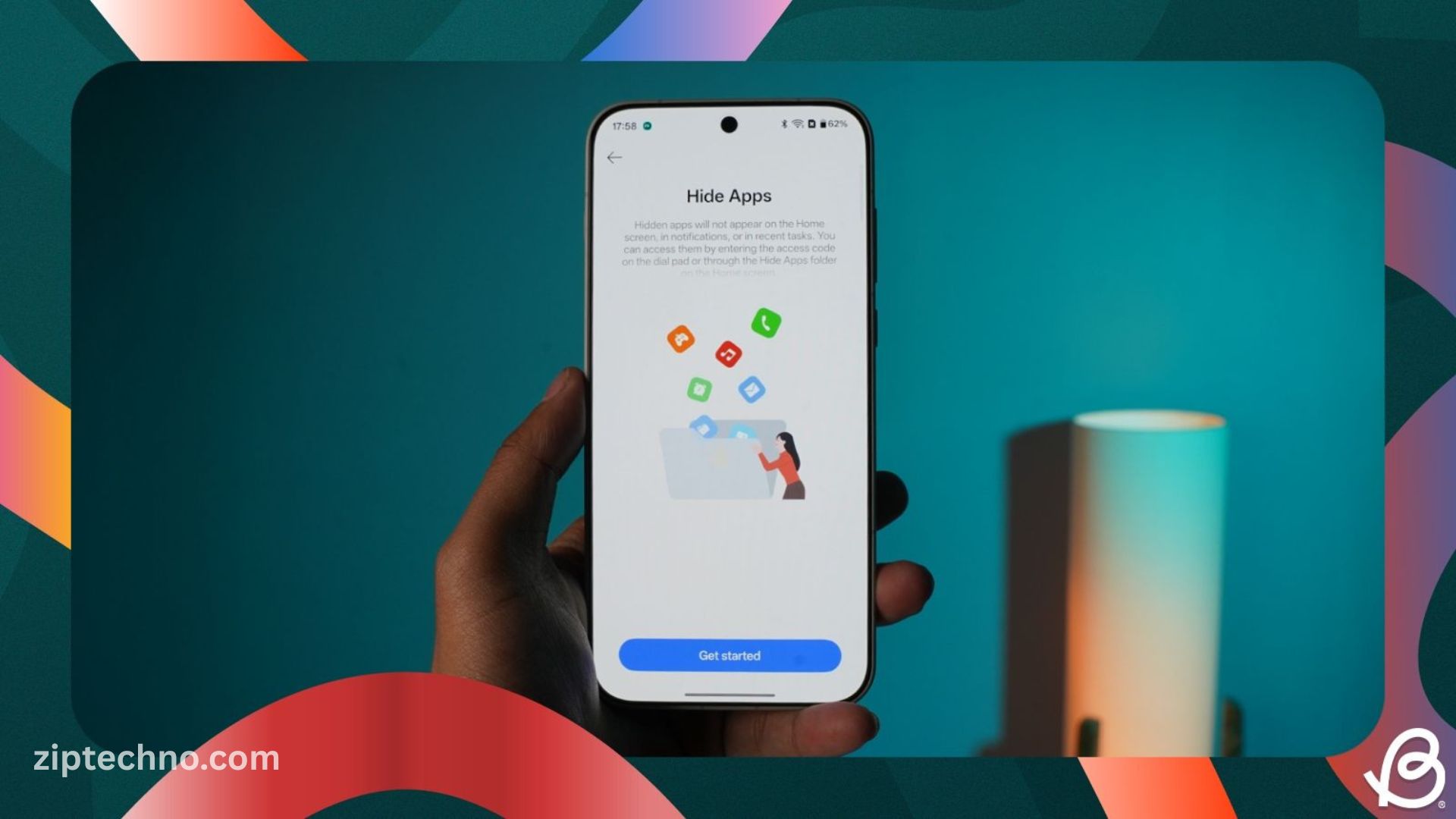
Android app innovation continues to push the boundaries of what smartphones can achieve, and recent developments highlight how a single powerful application can completely redefine user experience. Many users are now discovering apps that unlock advanced features, automation tools, and deep customization options previously limited to developers or tech enthusiasts. This shift is transforming Android devices into highly adaptable tools capable of handling complex tasks beyond standard usage.
The growing popularity of feature-rich Android apps reflects a broader trend toward personalization and efficiency. Users are no longer satisfied with basic functionality; they seek tools that enhance productivity, creativity, and control. With advancements in software capabilities and hardware integration, modern Android apps can now automate workflows, optimize performance, and enable entirely new use cases. This evolution is not only changing how individuals interact with their devices but also shaping the future direction of mobile technology as a whole.
Evolution of Advanced Android Applications
The evolution of Android applications has been marked by a steady increase in functionality and complexity. Early apps focused on basic tasks such as messaging, browsing, and media consumption. However, recent developments have introduced applications capable of managing system-level operations, offering features that rival desktop software. These advancements are driven by improvements in Android’s open architecture, which allows developers to access deeper system controls.
Modern Android apps now integrate multiple functionalities into a single platform, reducing the need for multiple tools. This consolidation enhances efficiency and simplifies user experience. As a result, users can perform tasks such as automation, file management, and system optimization within one app. The ability to combine these features reflects the growing maturity of the Android ecosystem and its ability to support increasingly sophisticated applications.
Automation Capabilities Transforming User Experience
Automation has become a central feature of advanced Android apps, enabling users to streamline repetitive tasks. These apps allow users to create custom workflows that trigger actions based on specific conditions, such as location, time, or device status. This level of automation significantly reduces manual effort and enhances productivity, making smartphones more efficient tools for daily use.
The impact of automation extends beyond convenience. It allows users to optimize device performance and manage resources more effectively. For example, automated processes can adjust settings to conserve battery life or enhance performance during specific activities. This capability demonstrates how Android apps are evolving from simple utilities into intelligent systems that adapt to user needs and preferences.
Deep Customization and Personal Control
Customization is one of the defining features of Android, and advanced apps are taking it to new levels. Users can modify interface elements, system behaviors, and app functionalities to create a personalized experience. This includes customizing gestures, notifications, and even core system settings, providing a level of control that is rarely available on other platforms.
This deep customization empowers users to tailor their devices according to their specific requirements. Whether optimizing for productivity, entertainment, or accessibility, Android apps offer the flexibility to adapt to diverse use cases. The ability to personalize every aspect of the device enhances user satisfaction and reinforces Android’s reputation as a highly versatile platform.
Integration with System-Level Features
Advanced Android apps are increasingly integrating with system-level features, allowing them to perform tasks that were previously restricted. This includes managing permissions, controlling hardware components, and interacting with other apps seamlessly. Such integration enables a more cohesive and efficient user experience, where different functionalities work together harmoniously.
This level of integration also opens up new possibilities for innovation. Developers can create apps that leverage multiple system components simultaneously, resulting in more powerful and versatile tools. As Android continues to evolve, the integration between apps and the operating system is expected to become even more seamless, further enhancing the capabilities of modern smartphones.
Security and Privacy Considerations
While advanced Android apps offer numerous benefits, they also raise important security and privacy considerations. Apps with deep system access require careful management to ensure that user data remains सुरक्षित and protected. Developers are increasingly implementing robust security measures, including encryption and permission controls, to address these concerns.
Users must also play a role in maintaining security by choosing trusted applications and reviewing permissions carefully. The balance between functionality and privacy is a key consideration in the development of advanced Android apps. As awareness grows, both developers and users are prioritizing secure practices to ensure that powerful features do not compromise data integrity.
Real-World Use Cases Driving Adoption
The adoption of advanced Android apps is driven by practical use cases that demonstrate their value. From automating daily routines to enhancing productivity, these apps are being used in a variety of contexts. Professionals use them to manage workflows, while casual users benefit from improved convenience and efficiency in everyday tasks.
- Automating daily smartphone tasks
- Enhancing productivity and multitasking
These real-world applications highlight the versatility of Android apps and their ability to adapt to different user needs. As more people discover these capabilities, the demand for feature-rich applications continues to grow. This trend is shaping the development of future apps, encouraging innovation and expanding the possibilities of mobile technology.
Impact on the Android Ecosystem
The rise of powerful Android apps is having a significant impact on the overall ecosystem. Developers are pushing the boundaries of what is possible, creating applications that challenge traditional limitations. This innovation is driving competition and encouraging continuous improvement across the platform.
- Increased focus on advanced app development
- Expansion of user capabilities and expectations
The ecosystem is becoming more dynamic and user-centric, with a strong emphasis on flexibility and performance. As advanced apps become more widespread, they are influencing how users interact with their devices and what they expect from mobile technology. This shift is likely to have long-term implications for the development and evolution of the Android platform.
Future Outlook for Advanced Android Apps
The future of Android apps is expected to be defined by continued innovation and integration. Emerging technologies such as artificial intelligence and machine learning are likely to play a key role in enhancing app capabilities. These technologies will enable apps to become more intelligent, adaptive, and responsive to user needs.
As the Android ecosystem continues to evolve, the line between mobile and desktop functionality will become increasingly blurred. Advanced apps will offer capabilities that rival traditional computing platforms, further expanding the role of smartphones in daily life. This progression underscores the potential of Android apps to transform how users interact with technology and highlights their importance in shaping the future of digital experiences.
Read More: Turn PC Into Android Gaming Powerhouse
Frequently Asked Questions
What makes advanced Android apps different?
They offer automation, deep customization, and system-level control beyond standard apps.
Are these apps safe to use?
Yes, if downloaded from trusted sources and permissions are carefully managed.
Do I need technical skills to use them?
Basic features are easy to use, but advanced customization may require some knowledge.
Can these apps improve performance?
Yes, they can optimize battery usage, speed, and system efficiency.
Are they available on all Android devices?
Most are compatible, but some features depend on device capabilities.
Do they replace multiple apps?
Yes, many combine multiple functions into one platform.
Are these apps free or paid?
Many are free, though some offer premium features.
What is the future of Android apps?
They will become more intelligent, integrated, and powerful with new technologies.
Conclusion:
Android app innovation is redefining how users interact with their smartphones, offering capabilities that extend far beyond traditional functionality. With features such as automation, customization, and system-level integration, these apps are transforming devices into powerful and versatile tools. As technology continues to advance, the role of the Android app will become even more significant, shaping the future of mobile experiences. This evolution highlights the growing importance of intelligent software in enhancing productivity, efficiency, and user control in an increasingly digital world.
