


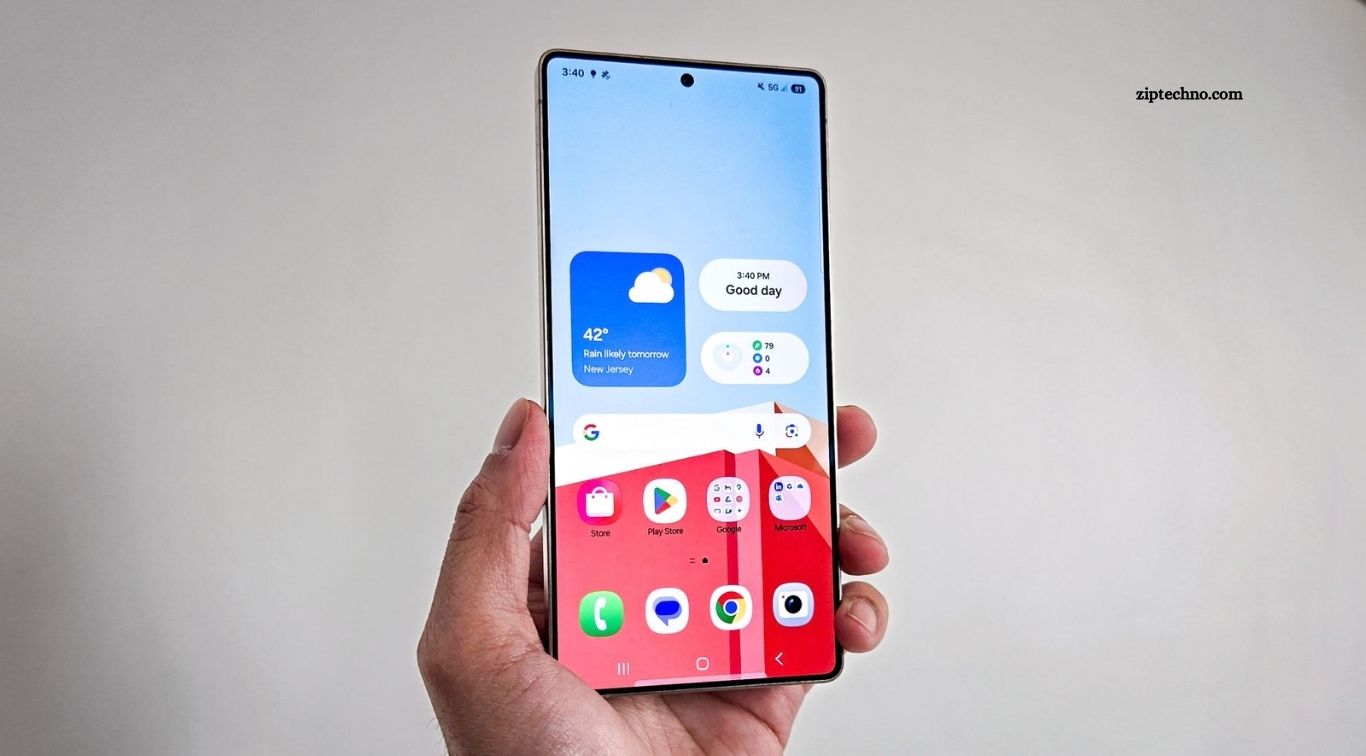
Android users are constantly discovering new apps that make smartphones more useful, entertaining, and personalized. From artificial intelligence and productivity tools to creative platforms and communication services, the Android ecosystem continues to expand with apps designed for changing digital habits.
New Android apps are also becoming smarter and easier to use. Many now combine automation, AI-powered features, cloud services, privacy controls, and personalized experiences in one place. Whether you want to improve productivity, edit photos, manage daily tasks, or simply find better entertainment, there are plenty of apps worth exploring.
Read More: Best Offline Android Apps for Daily Use
AI Apps Are Becoming More Popular
Artificial intelligence has become one of the biggest trends in Android applications. AI-powered apps can help users write content, summarize information, generate ideas, translate languages, answer questions, organize tasks, and perform other everyday activities directly from a smartphone.
The biggest advantage is convenience. Instead of switching between several traditional tools, users can increasingly complete multiple tasks through a single intelligent application. As AI technology improves, Android apps are becoming more capable of understanding natural language and adapting their responses to individual needs.
Productivity Apps Are Getting Smarter
Modern productivity apps focus on helping users accomplish more with less effort. New applications are introducing smarter task management, automated reminders, document organization, calendar integration, and AI-assisted planning to make daily routines easier to manage.
These features are useful for students, professionals, freelancers, and anyone managing multiple responsibilities. A good productivity app can turn an Android phone into a portable workspace where users can organize projects, capture ideas, track deadlines, and manage important information.
New Social Apps Are Changing Online Interaction
Social networking remains a major part of Android usage, but newer apps are experimenting with different approaches to online communities. Some focus on smaller interest-based groups, while others emphasize short-form content, private conversations, live interaction, or creator communities.
Users are also becoming more interested in control and personalization. Apps that provide better privacy options, customizable feeds, and meaningful community experiences can stand out in a crowded social media market. This shift is encouraging developers to create more specialized platforms rather than simply copying traditional social networks.
Photo and Video Apps Continue to Grow
Smartphone cameras have become powerful enough to support advanced photography and video creation. New Android editing apps are taking advantage of this hardware by offering AI-powered enhancements, background removal, automatic adjustments, creative effects, and professional-style editing controls.
Short-form video has also increased demand for simple editing tools. Users want to create polished videos without spending hours learning complicated software. Modern Android apps are responding with templates, automatic captions, music synchronization, transitions, and other features that make content creation accessible to beginners.
Communication Apps Are Adding More Features
Messaging applications are no longer limited to sending text messages and photos. Modern communication platforms increasingly combine voice calls, video meetings, file sharing, communities, payments, channels, and other services within the same application.
This makes communication more convenient because users can complete several activities without constantly changing apps. Security and privacy are also becoming important considerations as people store more personal conversations, documents, photos, and business information on messaging platforms.
Health and Fitness Apps Are Expanding
Health and fitness applications continue to attract Android users who want to monitor activity and develop healthier routines. Modern apps can track workouts, walking, running, sleep patterns, nutrition, hydration, and other lifestyle information depending on the device and available permissions.
Wearable integration has made these apps even more useful. Smartphones can collect information from smartwatches and fitness trackers, giving users a broader view of their daily activity. The growing focus on personalized insights is also making fitness apps more useful for people with different goals and routines.
Finance Apps Are Becoming More Convenient
Digital finance has changed how many people manage everyday money. New Android applications provide tools for tracking spending, creating budgets, monitoring transactions, making payments, and managing subscriptions from a smartphone.
Convenience is a major reason these apps continue to attract users. Instead of waiting until the end of the month to review finances, users can monitor their spending more regularly. However, financial apps should be selected carefully, with strong security, reputable providers, appropriate permissions, and reliable privacy policies.
Entertainment Apps Are Evolving
Entertainment remains one of the biggest reasons people download Android applications. Streaming platforms, gaming services, music apps, podcast platforms, and creator-focused applications continue to compete for users’ attention.
Personalized recommendations are becoming especially important. Modern entertainment apps analyze viewing or listening preferences to suggest content that matches individual interests. This can make discovering new movies, shows, songs, podcasts, and games faster and more enjoyable.
New Gaming Apps Are Attracting Players
Mobile gaming continues to expand as Android hardware becomes more powerful. New games are offering better graphics, multiplayer experiences, competitive modes, open-world environments, and frequent content updates.
Cloud gaming and cross-platform experiences are also influencing mobile gaming. Players increasingly expect to continue their progress across different devices and connect with friends regardless of the platform they use. This is pushing developers to create more sophisticated mobile gaming experiences.
Note-Taking and Organization Apps Are Improving
Simple note-taking apps are evolving into complete organization systems. New applications can combine text notes with checklists, images, documents, voice recordings, reminders, and AI-powered search.
This is particularly useful for people who collect large amounts of information throughout the day. Instead of keeping scattered notes across different platforms, users can organize personal ideas, work information, study materials, and important references in one searchable location.
Privacy-Focused Android Apps Are Gaining Attention
Privacy has become a major concern as smartphones hold increasingly sensitive information. New Android applications are responding by offering stronger encryption, permission controls, private browsing, secure communication, and improved data management.
Users are also becoming more aware of the permissions apps request. Before installing a new application, it is worth checking whether the requested access makes sense for its purpose. A flashlight app, for example, should not normally need access to unrelated personal information.
Cloud Storage Apps Make Files Easier to Access
Cloud storage applications continue to be popular because they allow users to access files from multiple devices. Modern services can automatically synchronize documents, photographs, videos, and other important data.
These apps can also simplify collaboration. Users can share files, work on documents together, and maintain backups without relying entirely on local smartphone storage. Cloud storage is particularly valuable when phone space becomes limited or when users regularly move between Android phones, tablets, and computers.
Translation Apps Are Becoming More Powerful
Language applications have become more useful as translation technology improves. Modern Android apps can translate written text, spoken conversations, websites, signs, and other forms of information depending on the service.
These capabilities are helpful for travelers, students, international workers, and people communicating across languages. Offline translation features can be especially valuable when internet access is limited, although users should still verify important translations when accuracy is critical.
How to Choose New Android Apps
The popularity of an app does not automatically make it the right choice for every user. Before installing something new, consider its purpose, developer reputation, ratings, recent reviews, update history, privacy practices, permissions, and compatibility with your Android device.
It is also important to avoid downloading applications from suspicious websites or unofficial sources. Google Play provides a safer starting point for most Android users, while keeping Android and installed apps updated can help maintain security and compatibility.
Why Android Apps Are Changing So Quickly
The rapid development of artificial intelligence, cloud computing, mobile hardware, and faster networks is giving developers more tools to build sophisticated applications. Features that once required desktop computers can now be available through lightweight smartphone apps.
User expectations are changing at the same time. People increasingly want applications that are fast, personalized, intelligent, and easy to use. Developers who respond to these expectations can quickly gain attention, which explains why new Android apps can become popular in a relatively short period.
Frequently Asked Questions
What are the most popular types of new Android apps?
AI, productivity, social networking, entertainment, photography, fitness, finance, communication, and gaming apps remain among the most popular categories.
Are new Android apps safe to download?
Many are safe when downloaded from trusted sources, but users should review developer information, permissions, ratings, privacy policies, and recent reviews before installing them.
Why are AI Android apps becoming popular?
AI apps can automate tasks, answer questions, create content, summarize information, translate languages, and provide personalized assistance from a smartphone.
How can I find useful new Android apps?
Google Play recommendations, trusted technology publications, user reviews, and app update information can help identify useful applications without relying only on download numbers.
Should I delete Android apps I no longer use?
Yes. Removing unused apps can free storage, reduce unnecessary permissions, and simplify your smartphone experience.
How often should Android apps be updated?
Keeping apps updated is generally recommended because updates can introduce new features, improve compatibility, fix bugs, and address security issues.
Conclusion
New Android apps are changing how people communicate, work, learn, create content, manage finances, exercise, and enjoy entertainment. AI-powered features, stronger privacy tools, advanced editing capabilities, smarter productivity systems, and personalized recommendations are becoming important parts of the modern Android experience. However, downloading every popular application is not necessary. The best approach is to choose apps that genuinely solve problems or improve everyday activities while paying attention to security, permissions, privacy, and reliability.

1 Comment
Pingback: Essential Android Apps for Every Smartphone User - ZipTechno