


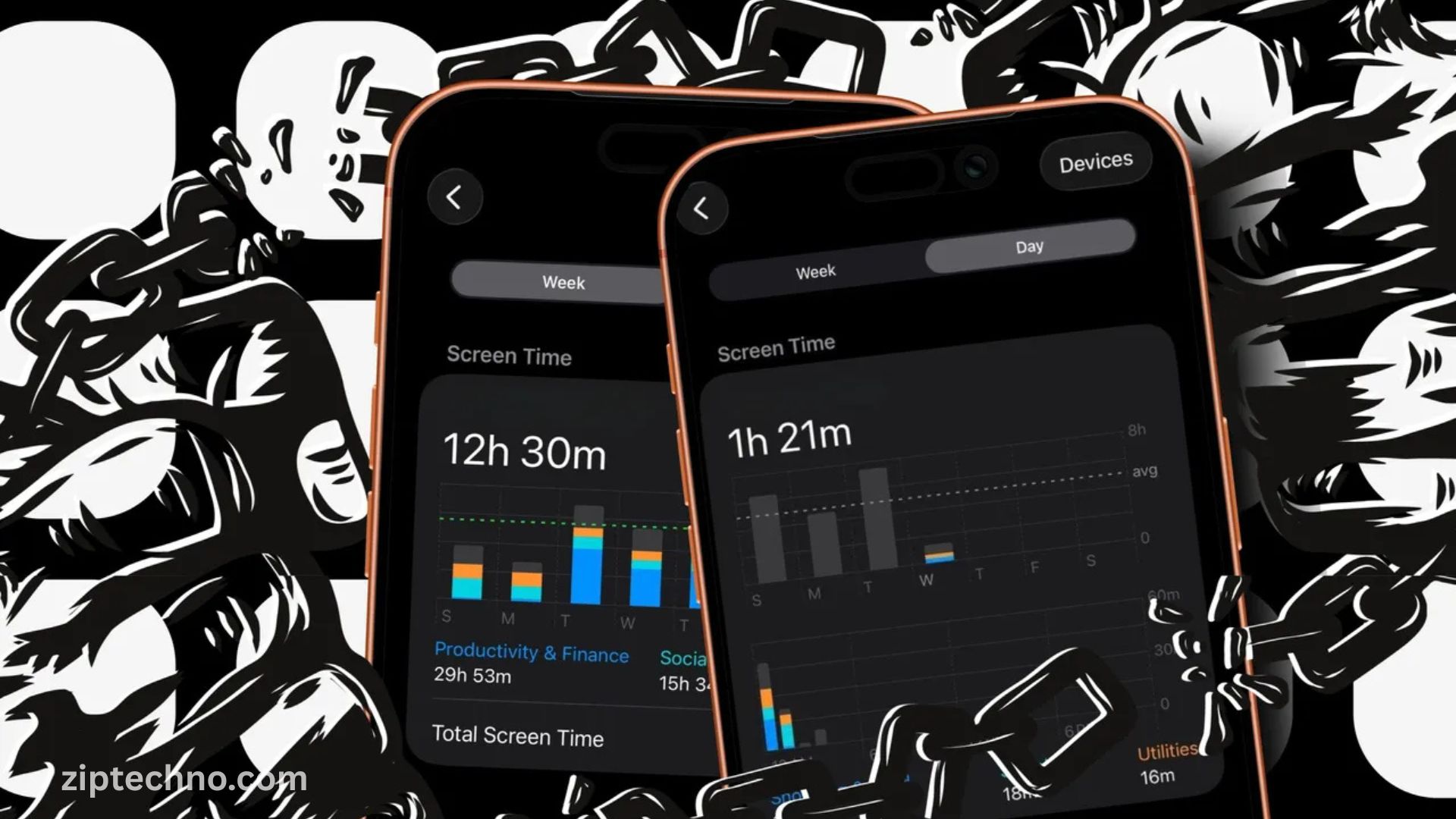
In today’s digital age, screens are everywhere from smartphones and tablets to computers and televisions. While technology has revolutionized the way we work, learn, and entertain ourselves, it has also raised concerns about the impact of excessive screen use on health, productivity, and well-being. Understanding screen time management is essential for maintaining balance in a technology-driven world.
This article explores the benefits and risks of screen time, strategies for effective management, and practical tips for individuals and families to maintain a healthy relationship with digital devices.
Understanding Screen Time
Screen time refers to the amount of time a person spends using devices with digital screens. This includes smartphones, computers, televisions, tablets, and even wearable devices. While some screen use is essential for work, education, and communication, excessive usage can contribute to physical, mental, and emotional strain.
The need for screen time management arises from both the increasing presence of screens in daily life and the growing research highlighting the effects of overuse. By understanding how screen time affects the body and mind, individuals can make informed choices about device usage.
The Benefits of Screen Time
Not all screen time is harmful. In fact, screens offer numerous advantages when used responsibly. Educational apps, online courses, and productivity tools allow people to learn new skills and stay informed. Social media and communication apps enable connections with friends and family, especially for those separated by distance.
Entertainment platforms such as streaming services and video games provide relaxation and leisure. Even in a professional context, screens facilitate remote work, collaboration, and creativity. Effective screen time management ensures that individuals can maximize these benefits without succumbing to the negative effects of overuse.
The Risks of Excessive Screen Time
Spending too much time on screens can have serious consequences for physical and mental health. Prolonged screen use often leads to eye strain, headaches, and disrupted sleep patterns due to exposure to blue light. Poor posture and sedentary behavior associated with screen use can also contribute to musculoskeletal problems and weight gain.
Mental health concerns such as anxiety, stress, and depression are increasingly linked to excessive screen use. Social media, in particular, can impact self-esteem and cause feelings of isolation. Without proper screen time management, these risks are amplified, affecting both children and adults.
Signs You Need Better Screen Time Management
Recognizing the warning signs of excessive screen use is the first step in effective management. Common indicators include feeling restless when away from devices, neglecting physical activity, disrupted sleep schedules, and decreased focus at work or school. Emotional signs, such as irritability, mood swings, or social withdrawal, can also signal overuse.
By identifying these patterns early, individuals can implement strategies to regain balance and ensure that screen time remains productive and healthy.
Practical Strategies for Screen Time Management
Effective screen time management involves intentional use, mindful breaks, and establishing boundaries. Start by setting clear limits on daily usage for both work and leisure. Using digital wellbeing tools and apps can help track screen time and provide reminders to take breaks.
Creating device-free zones, such as during meals or before bedtime, encourages face-to-face interaction and quality rest. Prioritizing tasks and scheduling focused work periods reduces the temptation to mindlessly scroll or multitask, which often leads to inefficient screen use.
Screen Time Management for Children
Children are particularly vulnerable to the effects of excessive screen use. Developing healthy habits early is critical. Parents can establish rules that limit daily screen time, prioritize educational content, and encourage physical activities.
Family routines, such as device-free meals and outdoor play, help reinforce balance. Additionally, discussing the purpose and value of screen use teaches children to make mindful choices. By practicing screen time management consistently, children learn to enjoy technology responsibly while developing essential life skills.
Balancing Work and Leisure
For adults, balancing work-related screen time with leisure is a key component of effective screen time management. Remote work and digital communication often require extended device use, making it important to schedule breaks, stretch, and step away from screens periodically.
Engaging in hobbies, outdoor activities, and social interactions outside of digital spaces helps maintain mental and physical health. By separating work from personal screen time, individuals can prevent burnout and maintain productivity while enjoying leisure responsibly.
Tools and Technology for Managing Screen Time
Numerous tools are available to support screen time management. Built-in device features, such as app timers, do-not-disturb modes, and usage dashboards, allow users to monitor and control their habits. Third-party apps provide detailed reports, goal-setting options, and alerts to reduce overuse.
In workplaces, digital wellness programs encourage employees to take breaks and manage screen exposure effectively. These tools empower users to make conscious choices about their screen time, fostering healthier tech habits and overall well-being.
Mindfulness and Digital Wellbeing
Mindfulness practices complement screen time management by helping individuals remain aware of their device usage. Techniques such as meditation, deep breathing, and mindful breaks reduce stress and improve focus.
By reflecting on the purpose of screen use and distinguishing between productive and unproductive time, individuals can cultivate healthier relationships with technology. Mindful habits enhance both mental clarity and emotional resilience, making screen use more intentional and beneficial.
The Role of Employers and Educators
Employers and educators play a crucial role in promoting effective screen time management. In professional environments, encouraging regular breaks, ergonomic setups, and reasonable workloads prevents digital fatigue.
Schools can integrate screen breaks, active learning, and offline activities to balance digital education. By fostering awareness and setting guidelines, institutions support healthy habits and reduce the negative impact of excessive screen exposure.
Read More: Will Domes and Spheres Shape the Future of Entertainment?
Adapting to the Future of Digital Life
As technology continues to advance, screens will remain an integral part of daily life. Effective screen time management ensures that individuals can adapt without compromising health, productivity, or social connections.
Emerging technologies such as augmented reality, virtual reality, and immersive media will create new opportunities for learning and entertainment. By establishing mindful habits now, users can enjoy the benefits of digital innovation while minimizing potential harms.
FAQs (Frequently Asked Questions)
What is screen time management?
Screen time management is the practice of monitoring and controlling the amount of time spent on digital devices to maintain balance.
Why is screen time management important?
It helps reduce eye strain, improve sleep, prevent stress, and promote productivity in both work and personal life.
How much screen time is considered healthy?
Healthy screen time varies by age and purpose, but adults should take regular breaks and limit recreational use.
Can children benefit from screen time management?
Yes, limiting screen use and encouraging educational content and physical activity supports healthy development.
What tools help with screen time management?
Apps, device timers, usage dashboards, and digital wellbeing features help monitor and control screen habits.
How does screen time management improve productivity?
By reducing distractions and promoting focused work sessions, it ensures better time use and task completion.
Can mindfulness help with screen time management?
Yes, mindfulness encourages awareness of device use, helping individuals make intentional, balanced choices.
How can families practice screen time management together?
Families can set rules, create device-free zones, and schedule outdoor activities to encourage balanced screen use.
Conclusion:
Screen time is not inherently bad; it becomes problematic when overused or unmanaged. Understanding the importance of screen time management allows individuals, families, and organizations to harness the benefits of technology while protecting physical and mental health.
By setting boundaries, using tools and apps, practicing mindfulness, and promoting balance, people can enjoy the digital world responsibly. In an era dominated by screens, thoughtful management is the key to a healthy, productive, and fulfilling life, ensuring technology serves as a tool rather than a source of stress.
